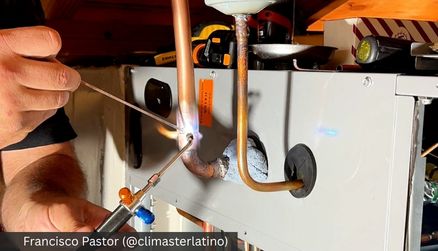
R290 and R600a Refrigerants: What You Need to Know Before Brazing

R290 and R600a refrigerants are becoming more common across refrigeration and HVAC/R systems, particularly in equipment that has been designed for reduced environmental impact and improved energy efficiency. For technicians, though, these refrigerants bring a different set of considerations compared to traditional non-flammable refrigerants. The repair process itself does not completely change, but any work […]

Best Practices for Brazing Copper Lines (and How to Prevent Pinholes and Leaks)

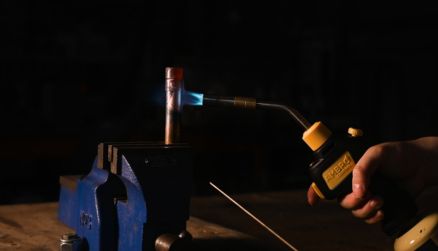
Copper brazing is a foundational skill in HVAC/R installation and repair but minor technical errors can lead to microscopic joint failures that only surface once a system is fully pressurized. Preventing these issues requires moving past guesswork and mastering the core fundamentals of heat control, material preparation and gas management.   Key Takeaways: How to […]

The Shift to Lead-Free Solder: What It Means for HVAC and Plumbing Trades

Lead-free solder has become standard across much of the plumbing industry and is now widely used in a range of HVAC and mechanical applications as well. If you’re a technician who learned on older lead-based solders, you would have noticed that the shift brought some differences, particularly around heat control, flow behavior, and joint preparation. […]

How to Perform a Nitrogen Blow-Out Safely and Effectively

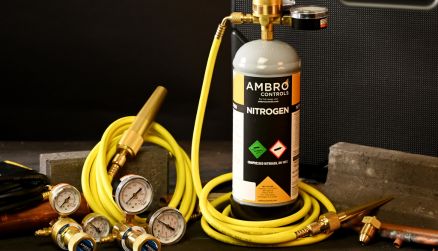
Clean pipework matters in HVAC/R systems. Moisture, scale, dust and debris left inside the line can create problems later, especially once refrigerant and oil begin circulating through the system. If you’ve ever dealt with a blocked valve, contaminated oil or a system that just won’t perform properly after commissioning, you’ll know how much trouble leftover […]

Understanding Gas Mix Ratios and Torch Settings

Getting good results from an oxy-acetylene torch isn’t just about lighting the flame and getting to work. The way oxygen and acetylene are balanced has a direct effect on how the torch performs, how heat is applied, and the quality of the joint. Even small changes in gas ratio can affect flame stability, heat control, […]

Gas Regulators: How They Work and Why They Fail

Gas regulators are one of those pieces of equipment that are often taken for granted…until something goes wrong. They sit between the cylinder and the torch, quietly doing their job but when a regulator starts to fail, it usually happens where it matters most…at the flame. Understanding how gas regulators work and what causes them […]

Nitrogen Flow Regulators Explained: Protect Your System During Brazing

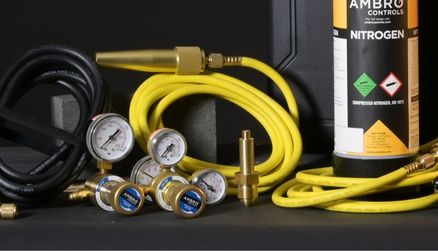
When you’re brazing refrigeration pipework, it’s easy to focus on the joint you’re working on. But what’s happening inside the pipe matters just as much. Without nitrogen flowing through the system, heat from brazing can create oxidation inside the pipe. That contamination moves through the system and can affect components down the line. That’s why […]

Brazing vs Soldering: When to Use Each and Why It Matters

For HVAC and plumbing technicians, knowing when to braze and when to solder is a key part of the job. Both methods are used to join metals, and at first, they can seem similar. But in practice, they behave differently and are suited to different types of work. Understanding the difference helps ensure joints are […]

How to Set Up an Oxy-Acetylene Torch Kit Safely in Under 10 Minutes 

Setting up an oxy-acetylene torch kit is a pretty routine task for many HVAC and plumbing technicians, but it’s one that needs to be done right every single time. Oxy-acetylene systems generate extremely high temperatures, and they rely on controlled delivery of both oxygen and fuel gas. An incorrect setup can lead to unstable flames, […]

Melting Points Explained: Why Copper and Steel Behave Differently When you Braze

When you’re brazing in HVAC or refrigeration work, it is crucial that you have a clear understanding of how different metals respond to heat. Copper and steel behave very differently under a torch, and much of that comes down to their melting points and heat transfer properties. If you’ve ever found copper slow to heat […]