Torch equipment takes a beating over time.
Heat, transport, job site conditions and everyday handling all contribute to wear on tips, hoses and regulators. Most components won’t fail without warning, but the signs are not always obvious until performance starts to suffer. Knowing what to look for can help technicians identify issues early, avoid interruptions on site and maintain safe, consistent operation.
What happens when equipment starts to wear
Torch equipment relies on a number of components working together correctly.
When tips, hoses or regulators begin to wear, technicians may notice:
- unstable flame performance
- inconsistent gas flow
- reduced heating efficiency
- difficulty making adjustments
In some cases, worn equipment can also increase safety risks or make routine brazing work unnecessarily difficult. Regular inspection helps identify problems before they affect the quality of the job.
Signs your torch tip needs replacing
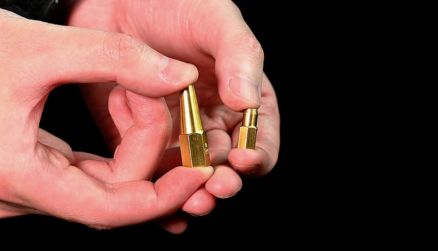
Torch tips are exposed directly to heat and are often the first components to show signs of wear.
Common indicators include:
- an irregular or unstable flame
- difficulty maintaining a neutral flame
- difficulty achieving the desired flame setting
- visible damage to the tip
- blockages or contamination
- reduced heating performance
A worn or partially blocked tip can make it difficult to maintain a consistent neutral flame and may affect overall heating performance. Regular cleaning with an appropriate tip cleaner can sometimes restore normal operation, but damaged or heavily worn tips should be replaced. As wear progresses, heat control often becomes less predictable, particularly when working on smaller diameter copper pipe or in confined spaces.
PRO TIP
Changes in flame behavior are often one of the first signs that something in the torch setup needs attention. Check the tip, hoses, regulator and gas delivery before assuming the issue is technique.
Signs your hoses may be failing
Hoses experience constant movement, bending and exposure to job site conditions.
Over time, technicians may notice:
- cracks or visible wear
- stiffness or reduced flexibility
- damage to the outer hose surface
- loose fittings
- unexplained pressure loss
Hose issues can develop gradually, which is why regular visual inspection is important. Catching damage early is usually much easier than dealing with an unexpected failure on site.
Signs your regulator may need replacing
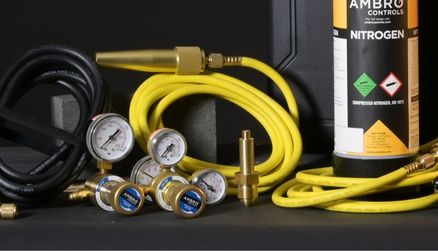
Regulators play an important role in maintaining stable gas delivery and achieving the correct pressure for oxy-acetylene torch operation.
Signs that a regulator may require attention include:
- inconsistent pressure readings
- difficulty maintaining stable gas flow
- gauges behaving erratically
- visible damage to the regulator body
- damaged fittings or connections
When regulators are not performing correctly, achieving consistent torch performance becomes much more difficult. Because flame quality depends heavily on stable oxygen and acetylene delivery, regulator issues often show up in day-to-day operation before a complete failure occurs.
Common causes of equipment wear
Most equipment wear develops gradually through normal use.
Some of the most common causes include:
Heat exposure
Repeated exposure to heat can affect components over time, particularly those located close to the torch.
Handling and transport
Equipment that is regularly moved between jobs can experience bumps, impacts and general wear.
Improper storage
Poor storage practices can expose equipment to unnecessary damage between jobs.
Contamination and debris
Dust, dirt and contamination can affect moving parts, fittings and gas delivery components.
The cost of waiting too long
Replacing worn components before they fail completely can help prevent several common problems.
These include:
- job interruptions
- inconsistent brazing performance
- unnecessary troubleshooting
- poor-quality work
- avoidable safety risks
Small issues often become larger problems when equipment wear is ignored for too long.
Basic maintenance and inspection habits
Most equipment problems can be identified through routine inspection.
Good habits include:
- performing regular visual checks
- inspecting hoses and fittings for damage
- protecting equipment during transport
- storing equipment appropriately between jobs
- replacing worn components when signs of wear appear
These checks take very little time and can help extend equipment life while supporting more reliable operation.
Inspecting connections and safety components
Torch valves, cylinder valves, hoses and fittings should be inspected regularly for signs of damage, wear or leaks. Safety components such as flashback arrestors should also be checked as part of regular equipment inspection.
Why equipment quality makes a difference
Well-designed equipment is built to withstand demanding job site conditions.
Features such as durable materials, reliable fittings and consistent gas control can help reduce the likelihood of premature wear and unexpected failures. While no component lasts forever, quality equipment often provides more predictable performance throughout its service life.
Things to remember
Tips, hoses and regulators all play a role in safe and reliable torch operation.
Recognizing early signs of wear can help technicians avoid downtime, maintain consistent performance and reduce unnecessary frustration on site. Regular inspection, proper storage and timely replacement remain some of the simplest ways to keep equipment operating as intended.