When HVAC/R technicians talk about welding tools, they are often referring to the equipment used for brazing, soldering and heating rather than traditional welding.
Most field work involves joining copper tubing, repairing refrigeration systems and installing piping. That means torches, regulators and related equipment are used far more frequently than machine welding equipment. Understanding which tools are essential (and when different joining methods are appropriate) helps technicians work more efficiently while producing reliable, long-lasting installations.
What “welding tools” means in HVAC
The term welding tools can mean different things depending on the application.
In HVAC/R, it includes equipment used for:
- Brazing copper pipe
- Soldering
- Heating components
- Occasional light fabrication or repair work
While welded joints have a place in some specialist applications, brazing remains the primary joining method for most refrigeration and air conditioning piping. The materials being joined are often the deciding factor when choosing between brazing and more traditional welding methods.
Core tools every HVAC technician uses
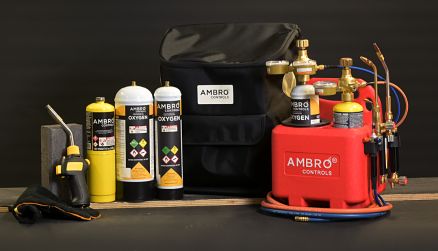
A typical HVAC/R brazing setup includes several essential tools.
These include:
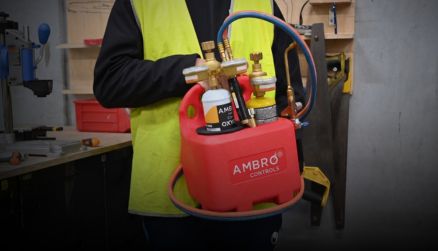
- Oxy-acetylene torch kit
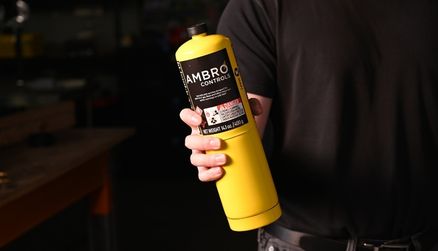
- Brazing torch
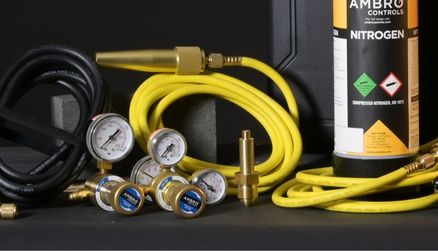
- Regulators
- Hoses
- Torch tips or nozzles
Together, these tools provide the heat and control required for installation, maintenance and repair work across a wide range of HVAC/R systems.
Supporting tools that improve results
Good brazing relies on more than the torch itself. Many technicians also carry:
- Nitrogen cylinder and regulator
- Flow control equipment
- Cleaning and preparation tools
- Heat protection products
- Appropriate personal protective equipment (PPE)
These tools help improve system cleanliness, protect surrounding materials and support more consistent results on site.
PRO TIP
The best torch setup won’t make up for poor preparation. Clean piping, the correct filler material and proper nitrogen use have a greater impact on the finished joint than the torch itself.
Where machine welding fits
Machine welding is used in some fabrication environments and specialist HVAC applications, but it is not the primary joining method for most field technicians. Most installation and service work involves brazing because it is well suited to copper tubing, and many of the materials found in refrigeration and air conditioning systems.
Recognizing the difference helps technicians select the right equipment for the job instead of assuming every metal joint should be welded.
What makes a tool essential in 2026?
The best HVAC/R tools are not necessarily the most complex.
Technicians generally look for equipment that offers:
- Reliable performance
- Consistent flame control
- Easy transport between jobs
- Simple setup
- Compatibility with modern HVAC/R systems and refrigerants
Equipment that performs consistently under varying job site conditions helps reduce interruptions and supports better workmanship.
Common mistakes when choosing tools
Choosing the right equipment is about more than purchasing the lowest-cost option.
Mistakes include:
- Selecting equipment that is not suited to the application
- Overlooking portability for service work
- Sacrificing reliability for price
- Failing to consider the materials being joined
Matching the equipment to the work being performed makes day-to-day tasks easier and often improves the quality of the finished result.
Reliable equipment, better results
Reliable tools help technicians work with greater confidence and consistency. Quality torches, regulators and supporting equipment provide predictable flame control, dependable gas delivery and improved durability under demanding job site conditions.
While even the best equipment requires regular maintenance, well-designed tools often provide more reliable performance throughout their service life.
Things to remember
For most HVAC/R technicians, essential welding tools are really brazing and heating tools designed for everyday installation and service work.
A dependable torch setup, supported by quality regulators, hoses and preparation equipment, gives technicians the control needed to produce clean, reliable joints. Choosing equipment that matches the application remains one of the simplest ways to improve both efficiency and workmanship on site.