A well-equipped residential brazing kit helps technicians handle the majority of HVAC/R installation, service and repair work they deal with each day. Unlike large commercial projects, residential work often involves tight spaces, smaller piping and working around finished surfaces inside a customer’s home. That makes portability, control and ease of use a top priority.
The right kit won’t make someone a better technician overnight, but it can make everyday jobs easier to complete safely, efficiently and consistently.
What a residential brazing kit looks like
Most residential HVAC/R technicians rely on a core set of tools that can travel easily from one job to the next. The exact setup will vary, but a residential brazing kit is typically built around equipment that supports:
- installation work
- service calls
- repairs
- routine maintenance
The goal is simple: carry the equipment needed to complete common brazing tasks without hauling unnecessary gear onto every site.
Core components of a residential kit
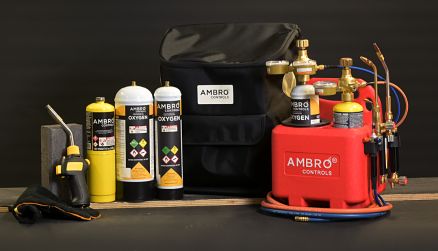
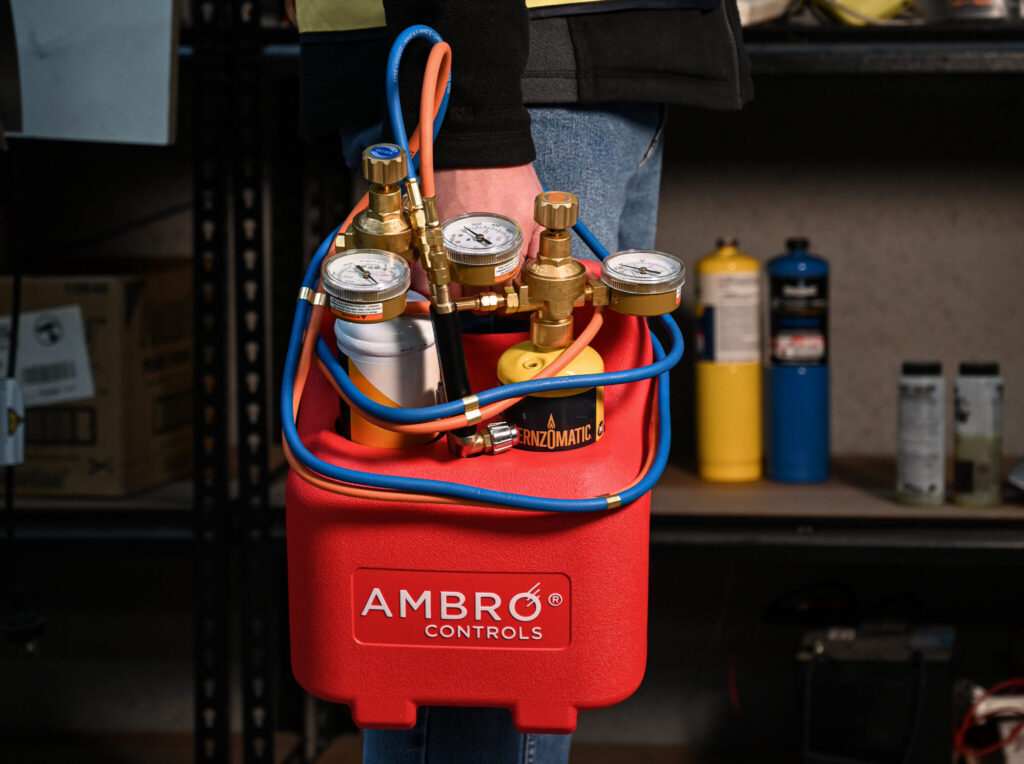
Most residential brazing kits include:
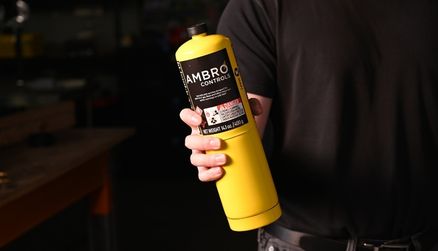
- an oxy-acetylene kit or portable torch system
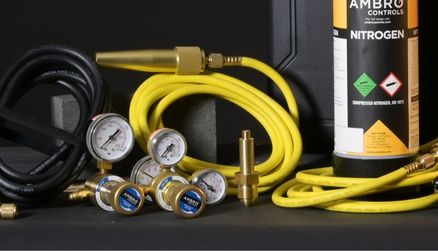
- regulators
- hoses
- torch tips
- striker or ignition tools
- appropriate filler rods
- basic hand tools and accessories
A quality torch setup also includes reliable gas and oxygen controls, allowing technicians to adjust flame characteristics to suit different applications.
When talking about kit setup, filler rod selection is often overlooked, but it can have a big impact on joint quality. Different base metals require different filler materials, so technicians tend to carry rods suited to the types of systems they work on regularly.
Some technicians also keep heat-blocking compound, heat-resistant blankets, additional torch tips and spare consumables in their kit. These items can help protect surrounding materials when working in confined residential environments.
Where a precision torch makes a difference
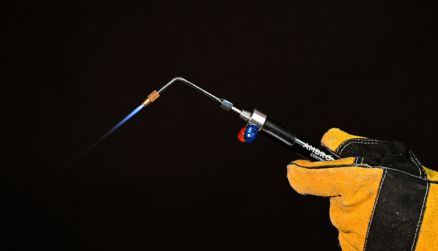
The more restricted your working space, the more important heat control is. A precision torch allows technicians to manage flame size and heat output more accurately than a larger general-purpose setup. By producing a controlled thin flame, it becomes easier to focus heat where it is needed without unnecessarily heating surrounding components.
This additional control can really help when working on smaller diameter copper pipe, brazing near sensitive components, accessing confined spaces and performing detailed repair work.
Many precision torches also offer interchangeable tips, allowing technicians to adjust flame size to suit different pipe sizes and applications.
PRO TIP
A precision torch gives technicians the ability to heat what they want, not everything else.
That level of control can be particularly useful when working close to insulation, wiring, valves or other nearby components.
Everyday jobs where precision helps
Many residential HVAC/R tasks benefit from improved flame control.
Examples include:
- split system installations
- indoor unit repairs
- ceiling space service work
- replacing damaged pipe sections
- brazing smaller diameter copper pipework
In these situations, a smaller and more controlled flame helps technicians work with greater confidence. The ability to direct heat precisely can also make it easier to work around nearby components and finished surfaces commonly found in residential environments.
Common challenges in residential brazing
Limited working space
Access can be restricted by framing, ductwork, ceiling cavities and existing services. In these situations, a compact torch handle and flexible hose assembly can make it easier to position equipment and work comfortably in confined areas.
Nearby materials
Finished surfaces, insulation and surrounding components may require additional protection from heat. This is where a controlled flame can help keep heat focused on the joint rather than nearby materials.
Uneven heat application
Restricted access can make it difficult to heat the joint consistently. Maintaining stable flame control becomes particularly important when working in awkward positions or hard-to-reach areas.
Oversized equipment
Bulky equipment can become difficult to position effectively in tight spaces. Portable equipment designed for residential work is easier to transport, set up and use throughout the day.
Building a kit that works on site
The best residential brazing kit is not necessarily the largest one.
Most technicians prioritize:
- portability
- ease of setup
- reliable performance
- consistent heat control
- practical everyday usability
A well-balanced kit helps reduce setup time while remaining capable of handling the majority of residential HVAC/R tasks. Features such as flashback arrestors, reliable gas and oxygen controls, and stable flame adjustment can also contribute to safer and more predictable operation on site.
FIELD NOTE
Residential work takes place in someone’s home. Protecting surrounding surfaces, working neatly and being mindful of the environment around you is just as important as producing a quality brazed joint.
Why tool design matters
Tool design influences how comfortably and accurately technicians can work throughout the day. Features such as balanced torch handles, reliable regulators, stable flame control, portable equipment and responsive gas and oxygen controls all contribute to a better working experience.
While technique remains the most important factor, well-designed equipment can make it easier to maintain consistency across a wide range of residential jobs.
Don’t forget
A residential brazing kit should be portable, reliable and suited to real job conditions.
Precision torches provide greater heat control when working in confined spaces and around sensitive components.
The right combination of torch equipment, filler rods and safety accessories can help technicians work more efficiently and consistently.