Choosing the right fuel gas has a direct impact on brazing performance. Flame temperature, heat intensity and portability all influence how quickly heat is applied and how effectively a joint can be completed.
For HVAC/R technicians, the decision is usually based on the work being performed. While MAPP gas, propane and acetylene all have their place, they do not deliver the same performance. Understanding the strengths of each fuel helps technicians select the right equipment for the application.
Choosing the right fuel for brazing
The fuel gas used during brazing influences:
- Flame temperature
- Heat intensity
- Heating speed
- Suitability for different applications
Using the right fuel helps produce reliable brazed joints while improving efficiency on site. The materials being joined also play an important role. Copper tubing, larger pipe diameters and heavier components often require more heat than lighter-duty applications.
Comparing common fuel types
The three fuel gases most found in HVAC/R work each offer different characteristics.
MAPP gas
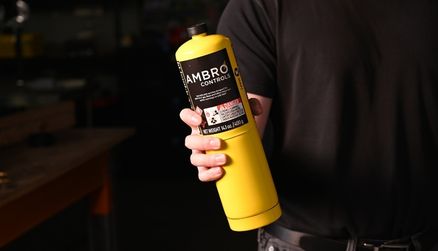
MAPP gas is widely used in portable torch systems. It produces a hotter flame than propane and is well suited to many service and maintenance tasks where portability is important.
Many modern portable cylinders are sold as MAP-Pro rather than traditional MAPP gas, although technicians often continue to use “MAPP gas” as a general term.
Propane
Propane is readily available and cost-effective. Although it produces a lower flame temperature than MAPP gas or acetylene, it remains suitable for light heating and many soldering applications.
Acetylene
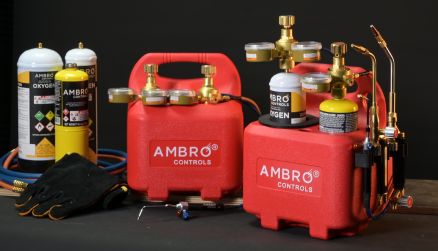
Acetylene is typically used with oxygen in an oxy-acetylene system. This combination produces the highest flame temperatures of the three fuel options, making it the preferred choice for many brazing applications in HVAC/R.
Flame temperature and heat output
The biggest difference between these fuel gases is the amount of heat they can deliver.
In general:
- Oxy-acetylene provides the highest flame temperature
- MAPP gas delivers more heat than propane in portable applications
- Propane provides lower heat output and is better suited to lighter-duty work
Higher flame temperatures generally allow technicians to bring joints up to brazing temperature more quickly and efficiently.
PRO TIP
Higher flame temperature does not automatically produce a better joint. Applying the right amount of heat, evenly and with good flame control, is just as important as choosing the correct fuel.
Choosing the right fuel for the job
Different applications call for different fuel types.
MAPP gas is commonly chosen for:
- Portable brazing work
- Service and maintenance
- Jobs where mobility is important
Propane is often used for:
- Light heating
- Soldering
- Lower-temperature applications
Oxy-acetylene is well suited to:
- Heavy-duty brazing
- Larger copper pipe
- Applications requiring rapid heat input
- Demanding HVAC/R installation work
Matching the fuel to the task helps improve efficiency while reducing unnecessary heating time.
How an oxy-acetylene torch works
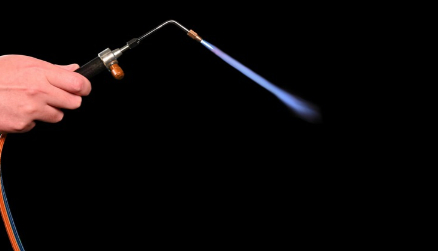
An oxy-acetylene torch combines oxygen and acetylene to produce a high-temperature flame. The addition of oxygen allows technicians to achieve significantly higher flame temperatures than fuel gas alone while providing greater control over flame characteristics. This combination makes oxy-acetylene one of the most widely used systems for brazing copper and other metals in HVAC/R applications.
Balancing performance and practicality
Heat output is only one factor when choosing a fuel.
Technicians also consider:
- Portability
- Equipment size
- Running costs
- Ease of use
- The type of work being performed
The best choice depends on the application rather than selecting the hottest available flame.
Common mistakes when choosing fuel
Fuel selection is not always straightforward.
Some common mistakes include:
- Using a lower-heat fuel for high-temperature brazing
- Choosing equipment based only on convenience
- Overlooking the materials being joined
- Failing to consider the heating requirements of the application
Selecting the appropriate fuel from the outset helps avoid unnecessary delays and produces more consistent results.
Reliable equipment and flame control
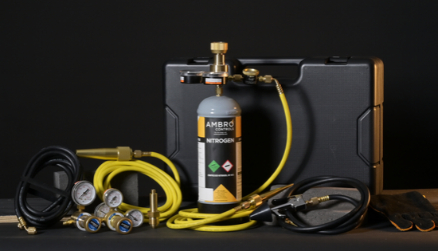
Regardless of the fuel being used, consistent gas delivery and precise flame control remain essential. Well-designed regulators, torches and hoses help technicians maintain stable flame characteristics, apply heat accurately and achieve reliable, brazed joints across a wide range of HVAC/R applications.
Things to remember
MAPP gas, propane and acetylene each have strengths depending on the work being performed. Understanding how flame temperature, heat output and application suitability differ between each fuel helps technicians select the right equipment for the job. Combined with good flame control and reliable equipment, the correct fuel choice supports efficient, high-quality brazing results.