Getting good results from an oxy-acetylene torch isn’t just about lighting the flame and getting to work. The way oxygen and acetylene are balanced has a direct effect on how the torch performs, how heat is applied, and the quality of the joint. Even small changes in gas ratio can affect flame stability, heat control, and how the metal responds during brazing or heating.
Understanding what different flame types mean (and what they look and sound like) helps technicians work more consistently and avoid common problems on site.
What an oxy-acetylene torch does
An oxy-acetylene torch mixes oxygen and acetylene gas to produce a high-temperature flame used for brazing, heating, and light welding work.
The balance between oxygen and fuel gas determines:
- flame temperature
- flame shape
- how heat is delivered to the workpiece
Torch settings allow technicians to adjust that balance depending on the job.
Why it’s important
Different tasks require different levels of heat and control. A flame that works well for one application may not be suitable for another.
For most HVAC/R brazing work, technicians are looking for:
- stable flame behavior
- controlled heat
- predictable performance at the joint
Why gas mix ratios matter
An oxy-acetylene torch relies on the correct balance of oxygen and acetylene to produce a usable flame. If that balance is off, the flame can become unstable or behave unpredictably.
Common problems caused by incorrect gas ratios
Incorrect ratios can lead to:
- unstable flames
- excessive oxidation
- inefficient heating
- weak or brittle joints
- overheating of nearby components
In HVAC/R work, excessive heat can also damage valves or sensitive system components if heat isn’t controlled properly.
Practical takeaway
Correct gas ratios help produce stable flame behavior, more consistent heat, and cleaner brazed joints.
The three common oxy-acetylene flame types
Torch settings are adjusted to create different flame types depending on the application. Understanding the difference helps technicians recognize when the flame is properly set up…and when it isn’t.
Neutral flame
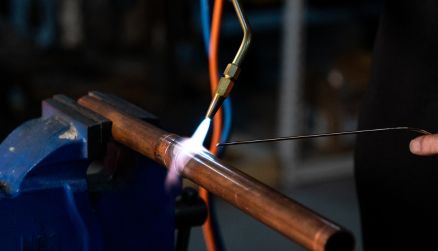
A neutral flame has a balanced mix of oxygen and acetylene. This is the flame most used for brazing and heating work in HVAC/R applications because it provides controlled, even heat without aggressively oxidizing the material.
What technicians look for
A neutral flame typically has:
- a clean, well-defined inner cone
- stable flame behavior
- smooth, controlled heat delivery
Why it’s preferred
Neutral flames help produce:
- cleaner joints
- stronger brazed connections
- more predictable heat control
For most brazing applications, this is the target flame setup.
Carburizing (reducing) flame
A carburizing flame has a slight excess of acetylene.
This creates:
- a softer flame
- lower oxygen content
- a visible “feather” or wispy appearance near the inner cone
What this can indicate
A lazy or feathered flame often means there isn’t enough oxygen in the mix.
In some situations, this type of flame may:
- reduce heating efficiency
- create excess carbon buildup
- contribute to weaker or porous joints
In practice
A carburizing flame is generally not preferred for standard HVAC/R brazing work where clean, controlled heat is important.
Oxidizing flame
An oxidizing flame contains excess oxygen.
This produces:
- a hotter, more aggressive flame
- a sharper sound during operation
- increased oxidation risk at the joint
What technicians notice
An oxidizing flame is often:
- louder than a neutral flame
- harsher in appearance
- more concentrated in heat delivery
Potential issues
Too much oxygen can:
- overheat the joint
- damage nearby components
- increase oxidation during brazing
This type of flame is generally avoided in most HVAC/R brazing applications.
How torch settings control the flame
Torch settings determine how much oxygen and acetylene reach the torch.
Two main parts of the setup affect this:
Torch valves
The torch valves adjust the flow of oxygen and acetylene during use.
Technicians use these valves to fine-tune:
- flame size
- flame shape
- oxygen-to-fuel ratio
Regulators
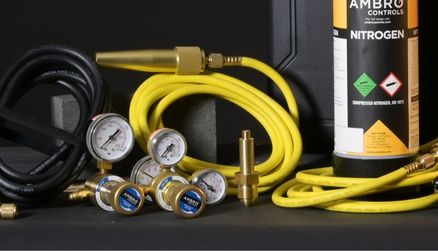
Regulators reduce cylinder pressure to a usable working pressure before the gas reaches the torch.
Correct regulator adjustment helps maintain:
- stable gas delivery
- predictable flame behavior
- consistent heating performance
What this means on site
Stable settings make it easier to maintain consistent heat while brazing, particularly when working on larger fittings or in awkward positions.
Practical situations where settings matter
Different jobs can require slightly different approaches to heat control.
Technicians often adjust flame behavior depending on factors like:
- material thickness
- fitting size
- surrounding components
- access to the work area
Examples encountered by technicians
- Brazing copper tubing
Where controlled heat helps prevent overheating thinner material
- Heating larger fittings or components
Which may require more sustained heat input
- Working near valves or sensitive components
Where excess heat can cause damage
What this comes down to
The better the flame control, the easier it is to apply heat exactly where it’s needed without affecting surrounding areas.
Common problems caused by incorrect settings
Incorrect torch settings often show up in the quality of the joint or the way the flame behaves during use.
Some common issues include:
- Flame instability
A flame that fluctuates or won’t stay consistent
- Excess oxidation
Caused by too much oxygen in the mix
- Overheating the joint
Which can weaken materials or damage nearby components
- Poor filler metal flow
Making it harder to achieve a clean brazed joint
- Weak or brittle connections
Often linked to incorrect heat control or poor gas balance
Why it’s important
Many brazing issues aren’t caused by the filler metal itself, but by how the heat was applied during the process.
The importance of consistent gas delivery
A stable flame depends on more than just the torch settings. Consistent gas delivery also plays a major role.
Reliable equipment and properly adjusted regulators help maintain:
- steady gas flow
- stable flame behavior
- predictable heat output
This becomes especially important during longer brazing jobs or when working in environments where heat control needs to remain consistent.
Key takeaway
An oxy-acetylene torch relies on the correct balance of oxygen and acetylene to perform properly.
Understanding gas mix ratios and flame types helps technicians:
- produce stable flames
- apply heat more accurately
- reduce oxidation and overheating
- create cleaner, more reliable brazed joints
For most HVAC/R brazing applications, a stable neutral flame provides the controlled heat needed for consistent results on site.