For HVAC and plumbing technicians, knowing when to braze and when to solder is a key part of the job.
Both methods are used to join metals, and at first, they can seem similar. But in practice, they behave differently and are suited to different types of work.
Understanding the difference helps ensure joints are strong, reliable, and appropriate for the system you’re working on.
What is the difference between brazing and soldering?
Brazing and soldering are both methods of joining metals using a filler metal, without melting the base materials themselves.
The key difference is not simply “more heat vs less heat,” but how that heat affects the type of filler metal used and the strength of the final joint.
Soldering
- Lower temperatures (generally below ~842°F/450°C)
- Uses filler metals that melt at relatively low temperatures
- Common in plumbing, electronics, and light-duty applications
Brazing
- Higher temperatures (typically ~1112-1652°F/600–900°C)
- Uses filler metals with higher melting points (often referred to as brazing rods)
- Common in HVAC/R and refrigeration pipework
What this means in practice
Brazing produces stronger, more durable joints than soldering because it uses filler metals that melt at higher temperatures and form a more robust bond.
This is why brazing is the standard method in HVAC/R systems, where joints need to withstand pressure, temperature changes, and long-term operation.
At the same time, higher temperature does not mean “more heat is better.” Applying excessive heat can damage materials, weaken pipework, or affect surrounding components. The goal is always controlled heat at the correct level, not maximum heat.
When brazing is typically used
In HVAC and refrigeration work, brazing is commonly used in situations where joint strength and durability are critical.
Typical applications include:
- refrigeration pipework
- copper tubing in HVAC systems
- systems operating under higher pressure or temperature
Brazing is particularly well suited to these environments because it creates joints that can handle ongoing thermal expansion, vibration, and system pressure.
How brazing works on site
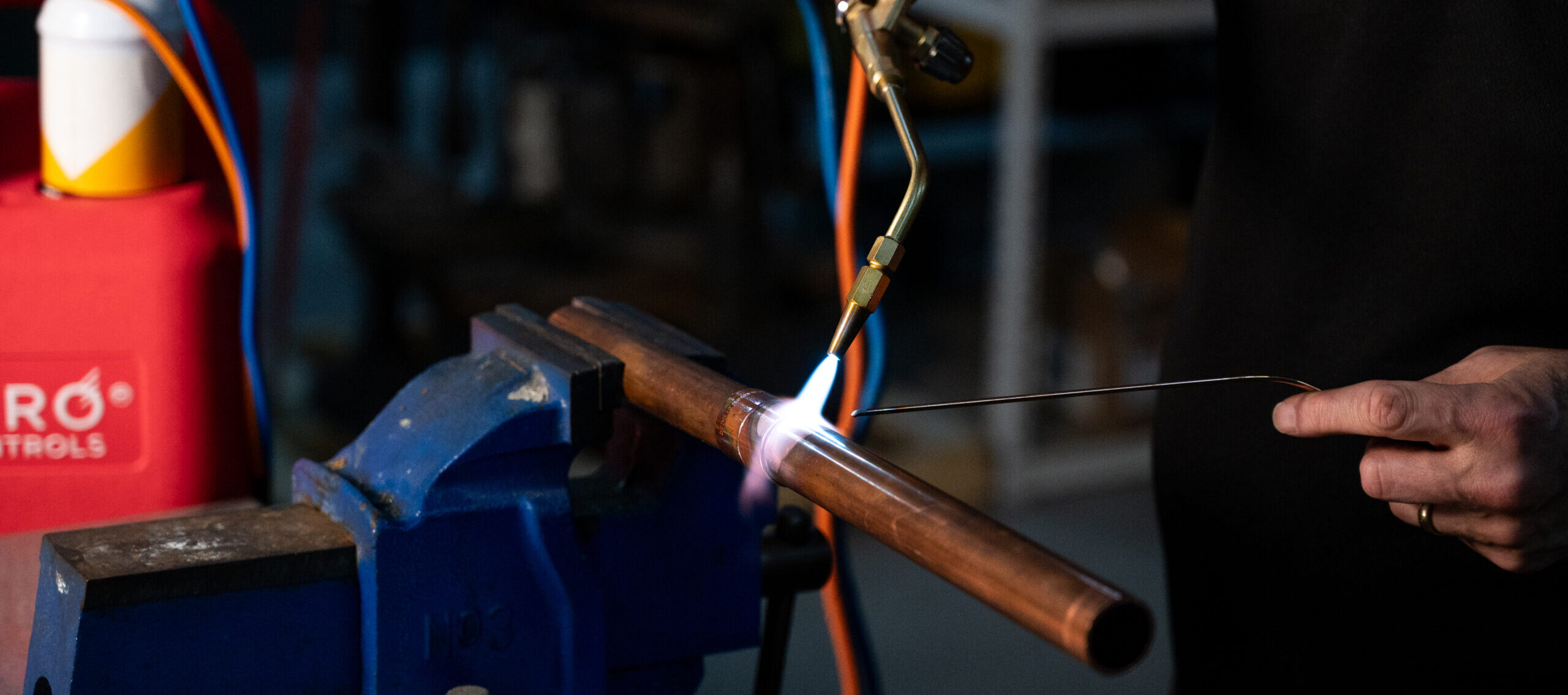
When brazing, the base metals are heated until the filler metal (brazing rod) melts and flows into the joint through capillary action.
This creates a strong bond between the materials without melting the base metal itself.
Because of the temperatures involved, consistent heat control is essential to ensure the filler flows properly and the joint forms correctly.
What a brazing rod does
A brazing rod is the filler metal used to create the joint.
In practical terms:
- the rod melts before the base metal
- it flows into the gap between the materials
- it solidifies to form the connection
Different types of brazing rods are used depending on the materials being joined and the application.
Common examples include:
- copper-to-copper joints
- copper-to-steel connections
Choosing the correct brazing rod helps ensure compatibility between materials and contributes to the strength and reliability of the joint.
When soldering is typically used
Soldering is more commonly used in applications where lower temperatures and lighter-duty connections are acceptable.
Typical applications include:
- plumbing connections
- lower-temperature systems
- electrical work and light-duty joins
Because solder melts at a lower temperature than brazing filler metals, it requires less heat to form a joint.
Lead-free solder in modern applications
In many applications, lead-free solder is now standard due to regulations and safety considerations.
While lead-free options perform well in appropriate use cases, they are still generally suited to lower-temperature, lower-pressure environments compared with brazing.
Why the choice matters
Choosing between brazing and soldering isn’t just a preference — it directly affects how the joint performs over time.
Several factors influence the decision:
Strength requirements
Brazed joints are generally stronger and more durable than soldered joints, making them better suited to demanding applications.
Operating temperature and pressure
Systems that operate at higher temperatures or pressures typically require brazing to maintain joint integrity.
System type
In HVAC/R systems, brazing is the standard method because of the conditions these systems operate under.
Material compatibility
Different metals and joint types may require specific filler metals or joining methods to achieve a reliable result.
What this means in practice
When in doubt, technicians often choose to braze, particularly in HVAC/R work where system demands are higher.
Common mistakes when choosing between brazing and soldering
Even experienced technicians can run into issues when selecting the wrong method or applying it incorrectly.
Some common mistakes include:
- Using solder where higher joint strength is required
Leading to joints that may not hold up under system conditions
- Applying excessive heat during soldering
Which can damage materials or affect joint quality
- Incorrect filler metal selection
Using the wrong brazing rod or solder for the materials involved
- Poor joint preparation
Failing to clean or fit the joint properly before heating
These issues often come down to misunderstanding the requirements of the job or how each method behaves in practice.
Tools and heat control
Both brazing and soldering rely on controlled heat application.
Regardless of the method used, technicians need to:
- apply heat evenly
- maintain consistent temperature
- avoid overheating the joint or surrounding components
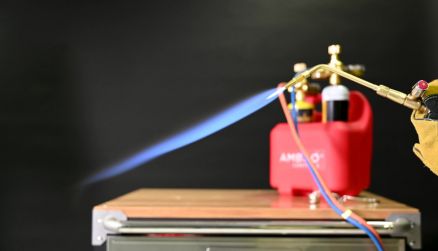
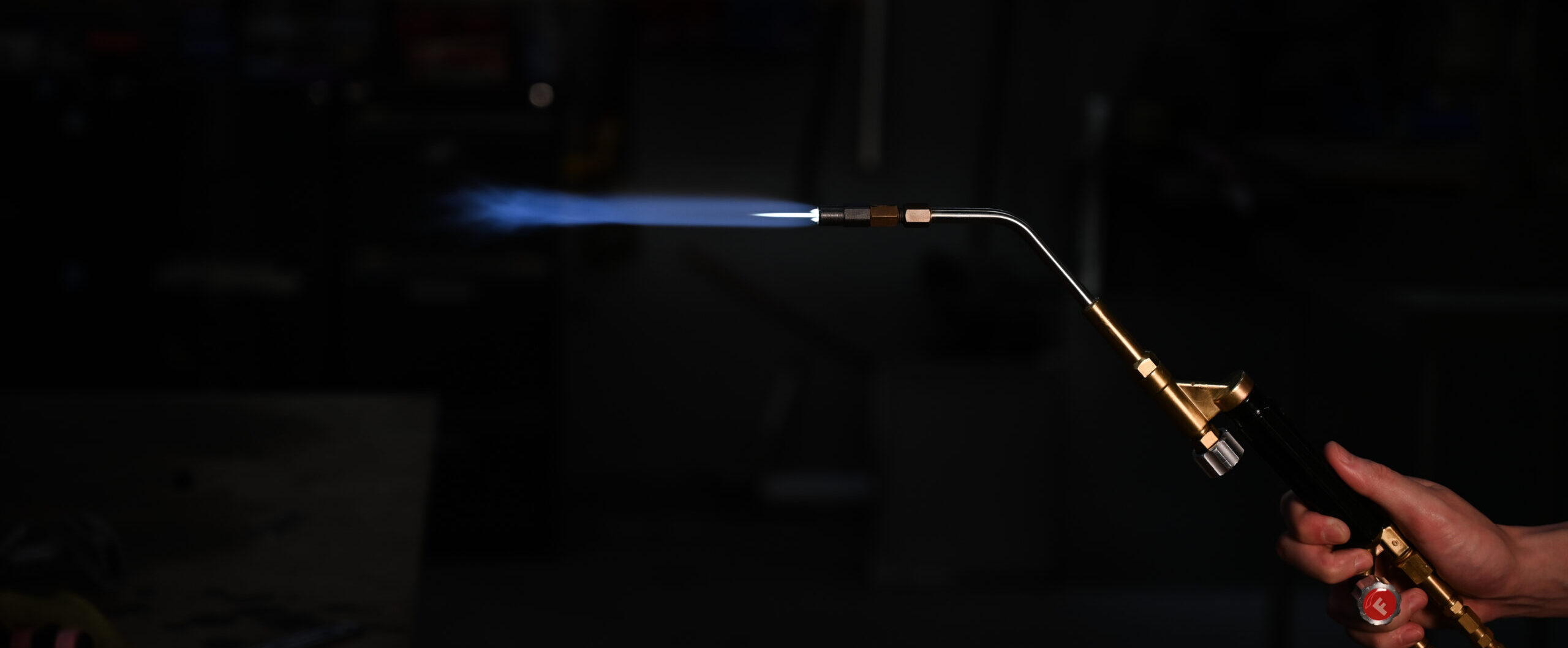
This is why torch selection and heat control are important.
Technicians typically choose tools that allow them to:
- adjust flame size
- control heat output
- direct heat where it’s needed
Having that level of control helps improve consistency and reduces the likelihood of errors during both brazing and soldering.
Key takeaway
Brazing and soldering both join metals using filler metal, but they serve different purposes.
- Soldering uses lower temperatures and is suited to lighter-duty applications
- Brazing uses higher-temperature filler metals and creates stronger, more durable joints
Understanding when to use each method helps technicians:
- select the right approach for the job
- improve joint reliability
- avoid common mistakes on site
In HVAC/R work, brazing is usually the preferred method because of the strength and durability it provides under real-world operating conditions.