When you’re brazing refrigeration pipework, it’s easy to focus on the joint you’re working on. But what’s happening inside the pipe matters just as much.
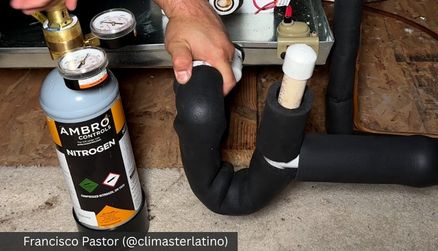
Without nitrogen flowing through the system, heat from brazing can create oxidation inside the pipe. That contamination moves through the system and can affect components down the line.
That’s why nitrogen is used during brazing and why having control over that flow is important.
Why nitrogen is used during brazing
During brazing, the inside of the pipe is exposed to heat and oxygen. When those two combine, oxidation can form on the internal surface of the pipe. This is often referred to as black oxide or carbon buildup. You won’t see it from the outside, but once the system is running, those particles can break loose and circulate.
What that can lead to
Over time, this kind of contamination can:
- move through the system
- collect in components
- affect performance and reliability
Introducing nitrogen during brazing helps prevent this from happening by reducing the presence of oxygen inside the pipe.
In simple terms
Nitrogen helps keep the inside of the system clean while you’re applying heat.
What a nitrogen regulator does
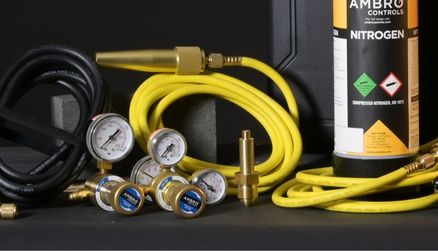
A nitrogen regulator is what makes the gas usable on site. Nitrogen cylinders are stored at high pressure. A regulator reduces that pressure and allows you to control how much gas is flowing through the system. Without a regulator, the gas would be too difficult to control and unsafe to use in a brazing setup.
What it gives you
- control over gas flow
- consistent delivery
- a safer way to work with pressurized gas
It’s a simple piece of equipment, but it’s what makes controlled nitrogen flow possible.
Why flow control matters
When you use nitrogen while brazing, it’s not enough to simply turn it on. It needs to be introduced at a low, steady rate.
If the flow is too high
- it can disturb the brazing process
- make it harder for the filler to flow properly
- waste gas
If the flow is too low
- it may not properly displace oxygen
- oxidation can still occur
What you’re aiming for
A light, consistent flow that moves through the pipe without interfering with the work you’re doing.
How nitrogen protects the system
The main job of nitrogen during brazing is to keep the inside of the system free from oxidation. When oxidation is reduced, you’re less likely to introduce contaminants into the system.
Why that matters
Contamination inside a refrigeration system can affect components like:
- TXVs
- compressors
- filter driers
Even small amounts of internal debris can build up over time or restrict flow where it shouldn’t.
On site
Using nitrogen during brazing is one of those steps that doesn’t add much time but can make a noticeable difference to how clean the system is once it’s up and running.
Common mistakes when using nitrogen
Nitrogen is widely used, but it’s not always used correctly.
Some of the more common issues include:
Running too much flow
This can interfere with the brazing process and isn’t necessary
Skipping nitrogen altogether
Which increases the risk of internal oxidation
Incorrect regulator setup
Leading to inconsistent or unpredictable flow
Stopping flow too early
Nitrogen should continue for a short time after brazing while the joint cools
Why this matters
Using nitrogen effectively comes down to applying it consistently and correctly throughout the process.
Where nitrogen regulators are used
Nitrogen regulators are used across a range of common HVAC and refrigeration tasks, not just brazing.
You’ll typically see them used for:
- brazing pipework
- purging systems
- pressure testing
Each of these requires a different level of control, which is why having an adjustable regulator is important.
Why regulator control makes a difference
A regulator that allows you to make small, controlled adjustments makes the whole process easier. When you’re not fighting the flow or constantly adjusting, you can set it and focus on the job.
This is especially helpful when:
- working in tight spaces
- managing heat around sensitive components
- trying to keep conditions consistent
In practice
Good control over nitrogen flow helps you work more predictably and reduces the chance of introducing problems into the system.
Key takeaway
Nitrogen regulators control how nitrogen gas is delivered during brazing.
Used properly, they help:
- reduce internal oxidation
- keep systems cleaner
- protect key components
It’s a small part of the setup, but it plays an important role in the overall quality of the work.