Clean pipework matters in HVAC/R systems. Moisture, scale, dust and debris left inside the line can create problems later, especially once refrigerant and oil begin circulating through the system.
If you’ve ever dealt with a blocked valve, contaminated oil or a system that just won’t perform properly after commissioning, you’ll know how much trouble leftover debris inside the line can cause.
That’s one reason nitrogen is used during installation and servicing work. A nitrogen blow-out helps clear contaminants from the pipework before commissioning, repair or further system work takes place.
Like any compressed gas application, though, the process depends on proper pressure control, suitable equipment, and safe handling practices.
What is a nitrogen blow-out?
A nitrogen blow-out uses compressed nitrogen gas to help clear debris, moisture, or contamination from pipework.
It’s carried out during:
- HVAC/R installations
- servicing and repair work
- system preparation before commissioning
Nitrogen is used because it is both dry and inert, meaning it does not react with the system or introduce moisture or oxygen into the pipework.
Why clean pipework matters
Moisture and oxygen inside refrigeration systems can contribute to:
- contamination
- internal corrosion
- oxidation
- reduced system reliability
Using nitrogen helps minimize those risks while keeping the system cleaner during installation or servicing.
Why technicians use nitrogen instead of compressed air
Compressed air may seem like an easier option, but it can introduce moisture into the system.
That becomes a problem in refrigeration and HVAC/R applications where moisture can react with refrigerants, oils, and internal components.
Nitrogen avoids that issue because it is:
- dry
- Inert, meaning it does not react within the system
| Feature | Nitrogen (Dry/Inert) | Compressed Air |
| Moisture Content | Extremely low (dry) | High (vapour and humidity) |
| Oxidation Risk | None | High |
| System Safety | Safe for refrigerants | Can contribute to acid formation |
| Pressure Source | Regulated nitrogen tank | Shop compressor |
Why this matters on the job
Nitrogen helps technicians prepare the system without adding contaminants that may create problems later.
That’s why nitrogen is commonly used not only for blow-outs, but also during brazing, pressure testing and system preparation work.
Essential nitrogen blow-out equipment
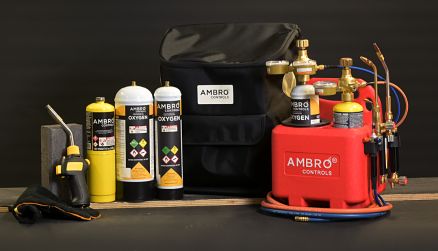
A nitrogen blow-out setup is relatively simple, but each part of the system plays an important role in controlling gas flow safely.
Some technicians may also refer to a nitrogen blow-out gun as a nitrogen spray gun or blow gun, depending on the application and setup being used.
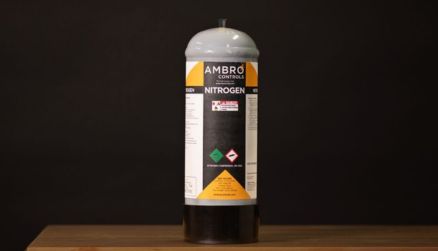
The role of the nitrogen tank
The nitrogen tank stores gas under high pressure. Because of the pressures involved, proper handling and pressure control are critical.
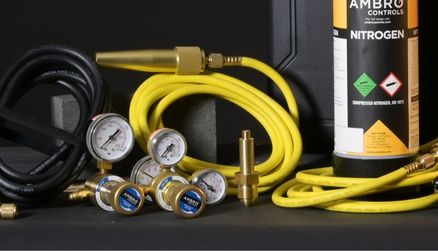
Nitrogen regulator
The regulator reduces cylinder pressure to a usable working pressure. It also allows technicians to control gas flow more accurately during the blow-out process.
Without a regulator, the pressure coming directly from the cylinder would be unsafe for HVAC/R systems and difficult to manage effectively.
Hoses and fittings
Hoses and fittings direct nitrogen through the system.
Correct connections help maintain:
- stable gas flow
- safe operation
- reliable pressure control
Damaged or poorly fitted connections can create leaks or inconsistent performance during use.
Selecting reliable equipment
When performing nitrogen blow-outs, reliable hoses, fittings and regulators help maintain safer and more consistent pressure control.
Poor-quality or damaged connections can affect gas flow, create leaks, or make pressure harder to manage during servicing work.
Using a nitrogen blow-out gun for precision
Some technicians also use a nitrogen blow-out gun or controlled delivery tool to direct gas flow more precisely during cleaning work.
This can make it easier to manage nitrogen delivery in tighter spaces or during servicing tasks.
Typical nitrogen blow-out process
The exact process varies depending on the system and application, but the general approach usually involves:
- connecting the nitrogen tank and regulator
- setting an appropriate pressure and flow rate
- introducing nitrogen into the line
- allowing the gas flow to help push out debris or contaminants
This article is intended as a high-level overview rather than a procedural guide. It’s important that technicians always follow workplace procedures, manufacturer specifications, and relevant safety requirements.
Why pressure control matters
Nitrogen cylinders contain gas at very high pressure, which is why controlled delivery is so important.
Excess pressure can:
- damage system components
- stress pipework and fittings
- create unnecessary safety risks
One of the more common mistakes is assuming that increasing pressure will automatically improve the blow-out process, when in fact more pressure is not always better.
PRO TIP
Technicians will often briefly “crack” the nitrogen tank valve before attaching the regulator to help clear dust or debris from the outlet. It’s a quick step, but one that can help prevent contamination from being pushed straight into the regulator or system. Proper regulator setup and controlled pressure also help reduce the risk of sudden pressure surges during use.
Key point to remember
The goal is controlled gas flow that clears the line effectively without placing excessive stress on the system.
Common mistakes technicians run into
Most nitrogen blow-out issues come back to pressure control or setup problems.
Using excessive pressure
Applying too much pressure can:
- damage components
- create unstable flow
- increase safety risks
More pressure does not automatically mean a better result.
Incorrect regulator use
Poor regulator adjustment can lead to:
- inconsistent flow
- unstable pressure
- difficulty controlling gas delivery
Stable pressure is important for predictable performance.
Skipping equipment checks
Hoses, fittings, and regulator connections should always be checked before use because damaged fittings or leaks can affect both safety and system performance.
Poor system isolation
Inadequate isolation during servicing can expose nearby components or create unnecessary risks during blow-out procedures.
Safety considerations
Nitrogen is inert, but it still needs to be handled carefully as a compressed gas.
Some important safety considerations include:
- using proper pressure control
- checking all fittings and connections
- following compressed gas safety procedures
- maintaining awareness of ventilation and confined spaces
Where problems usually happen
Most problems associated with nitrogen blow-outs are not caused by the gas itself, but by poor pressure management or incorrect setup. Good equipment control and safe handling practices help reduce those risks.
Where nitrogen blow-outs are used
Nitrogen blow-outs are commonly used during:
- HVAC/R installations
- servicing and maintenance work
- line cleaning before commissioning
- preparation before pressure testing
They are especially useful where maintaining internal system cleanliness is important before refrigerant is introduced.
Equipment control matters
Pressure control is a big part of performing nitrogen blow-outs safely and effectively.
Reliable regulators and controlled delivery tools help technicians:
- manage pressure more accurately
- maintain steady gas flow
- reduce the chance of damaging system components
This becomes even more important when working on sensitive systems or around components that can be affected by excessive pressure.
The bottom line
Nitrogen blow-outs are used to help clear moisture, debris, and contaminants from HVAC/R pipework using dry, inert gas.
Like most compressed gas work, the process depends on:
- controlled pressure
- reliable equipment
- correct regulator setup
- safe handling practices
Used correctly, nitrogen helps technicians prepare cleaner systems while reducing the risk of contamination and internal damage later on.