R290 and R600a refrigerants are becoming more common across refrigeration and HVAC/R systems, particularly in equipment that has been designed for reduced environmental impact and improved energy efficiency.
For technicians, though, these refrigerants bring a different set of considerations compared to traditional non-flammable refrigerants.
The repair process itself does not completely change, but any work involving heat or open flame requires additional attention to system preparation, ventilation and refrigerant management before brazing begins.
What are R290 and R600a refrigerants?
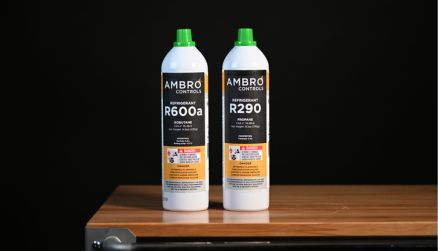
R290 refrigerant (propane) and R600a refrigerant (isobutane) are hydrocarbon refrigerants increasingly used in refrigeration systems and HVAC/R equipment.
- R290 is propane
- R600a is isobutane
Both refrigerants are valued for their low global warming potential (GWP), strong thermodynamic performance and their improved efficiency in certain applications.
They are often found in:
- commercial refrigeration equipment
- display fridges and freezers
- underbench refrigeration
- domestic refrigeration systems
- smaller self-contained systems
As the industry continues shifting toward lower-GWP refrigerants, many technicians are now encountering R290 and R600a systems more regularly in the field. Part of that shift is driven by the lower environmental impact of hydrocarbon refrigerants compared to some older refrigerant options.
R290 and R600a refrigerants – handle with care
The biggest difference with R290 and R600a is that both refrigerants are flammable. That means technicians need to follow stricter safety measures during servicing and brazing work.
That changes how technicians approach servicing, leak checking, refrigerant handling and hot work, such as brazing. Jobs that might feel routine on non-flammable systems can require additional preparation when flammable refrigerants are involved.
Keep in mind
The refrigerant itself is not necessarily more difficult to work with, but the presence of flammable gas means technicians need to confirm the system is safe before any heat is introduced.
That includes:
- verifying the work area is suitable
- managing refrigerant correctly
- ensuring the system is properly cleared before brazing or hot work begins
Brazing and ignition risk with R290 and R600a
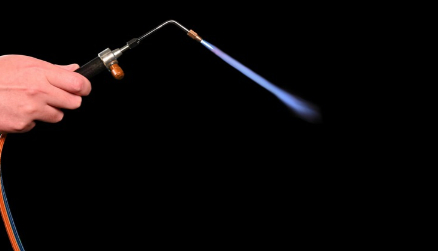
Brazing involves open flame and high temperatures, which creates an ignition risk if flammable refrigerant is still present within the system. Residual refrigerant trapped inside pipework or components can create dangerous conditions once heat is applied.
This is one reason technicians need to approach hydrocarbon systems differently from non-flammable refrigerants.
PRO TIP – Don’t overlook trapped refrigerant
Even when a system appears empty, refrigerant may still be trapped in oil, low points within the pipework, valves and components or isolated sections of the system.
Because of this, technicians often avoid unbrazing components directly where trapped refrigerant may still be present.
Pre-brazing considerations
Before any hot work begins, technicians need to ensure the system has been properly prepared.
That generally includes:
- safely managing refrigerant within the system
- using appropriate purging practices
- confirming the work area is suitable for hot work
- verifying the system is clear before heat is applied
This article is intentionally high-level and not intended as a procedural guide. Manufacturer requirements, workplace procedures and relevant regulations should always be followed.
Be aware of leaks
When working with hydrocarbon refrigerants, technicians also rely on suitable leak detection equipment to help confirm the work area and system are clear before brazing begins.
A functioning hydrocarbon-capable leak detector is an important part of working safely around flammable refrigerants.
Check for adequate ventilation
The work environment can significantly affect risk when working with flammable refrigerants. Poor ventilation can allow refrigerant to accumulate, particularly in tight spaces, plant rooms, enclosed service areas and kitchens.
In commercial kitchens, technicians may also need to verify that extraction or exhaust systems are operating correctly before servicing begins.
Watch out for ignition sources
Hot work is not the only possible ignition source.
Technicians also need to remain aware of:
- nearby open flames
- electrical equipment
- sparks
- other ignition sources near venting or purging areas
Good ventilation and environmental awareness both play an important role in reducing risk.
Where problems usually start
Most problems associated with R290 and R600a systems come back to preparation, assumptions or poor control of the work environment.
Treating the system like a non-flammable refrigerant
One of the more common mistakes is approaching hydrocarbon systems the same way as traditional non-flammable refrigerants. The presence of flammable gas changes the level of preparation required before brazing or hot work takes place.
Inadequate ventilation
Poor airflow or confined workspaces can increase the likelihood of refrigerant accumulation. This becomes particularly important during venting, purging and servicing work in enclosed areas.
Applying heat too early
Brazing should never begin until technicians are confident the system has been properly prepared and cleared. Applying heat before confirming safe conditions introduces unnecessary ignition risk.
Underestimating residual refrigerant
Even small amounts of trapped refrigerant can create risk once heat is introduced into the system.
This is why technicians place so much emphasis on purging, leak detection and controlled preparation practices.
Managing risk during servicing and repair
When working with flammable refrigerants, controlled processes matter just as much as technical skill.
Technicians rely on:
- pressure control
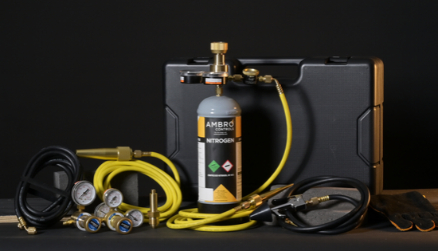
- purging equipment
- leak detection
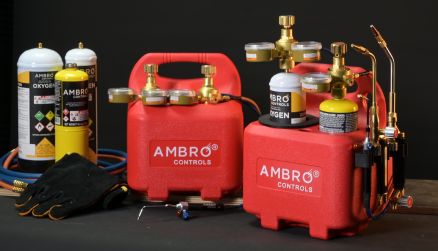
- stable brazing equipment
- safe work practices
to help manage risk during servicing and repair work.
Reliable equipment and consistent preparation practices help technicians work safely and reduce unnecessary exposure to ignition hazards.
Things to remember
R290 and R600a are flammable hydrocarbon refrigerants that require additional care during servicing and brazing work.
The core repair process may remain familiar, but technicians still need to account for:
- ignition risk
- refrigerant management
- ventilation
- leak detection
- proper system preparation before heat is applied
When approached correctly, hydrocarbon systems can be serviced safely using the same attention to preparation, pressure control, and safe work practices expected in any professional HVAC/R environment.