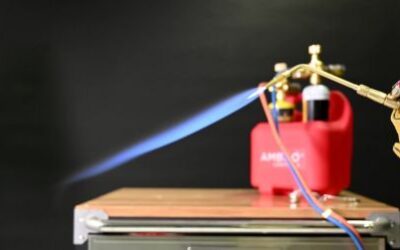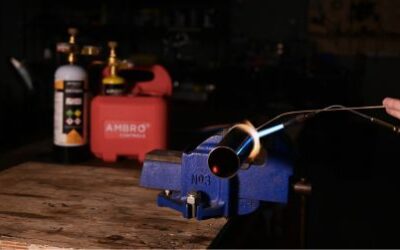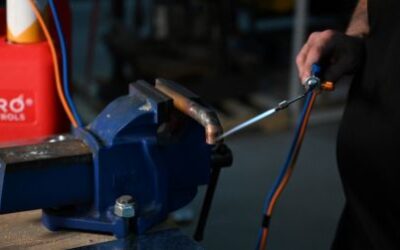
Setting up an oxy-acetylene torch kit is a pretty routine task for many HVAC and plumbing technicians, but it’s one that needs to be done right every single time.
Oxy-acetylene systems generate extremely high temperatures, and they rely on controlled delivery of both oxygen and fuel gas. An incorrect setup can lead to unstable flames, inefficient heating, or safety risks.
The goal isn’t just to get the torch running quickly; it’s to ensure it’s set up safely, consistently, and ready for controlled use.
Why correct torch setup matters
Oxy-acetylene systems are powerful tools, and the way they are set up directly affects both performance and safety.
Incorrect setup can lead to:
- unstable or inconsistent flames
- poor heat control during brazing or heating
- increased risk of gas leaks or unsafe operation
Because of this, most technicians rely on a consistent setup routine rather than rushing the process.
What this means in practice
Taking a few extra minutes to set up the system properly helps ensure:
- stable flame control
- predictable heat output
- safer working conditions
A correctly configured torch system makes it easier to focus on the job itself, rather than troubleshooting issues during use.
Main components of an oxy-acetylene torch kit
Before setting up the system, it’s important to understand the key components involved.
A typical oxy-acetylene torch kit includes:
- Oxygen cylinder
- Acetylene cylinder
- Regulators
- Hoses
- Torch handle
- Torch tips or nozzles
Each component plays a role in how oxygen and fuel gas are delivered to the flame.
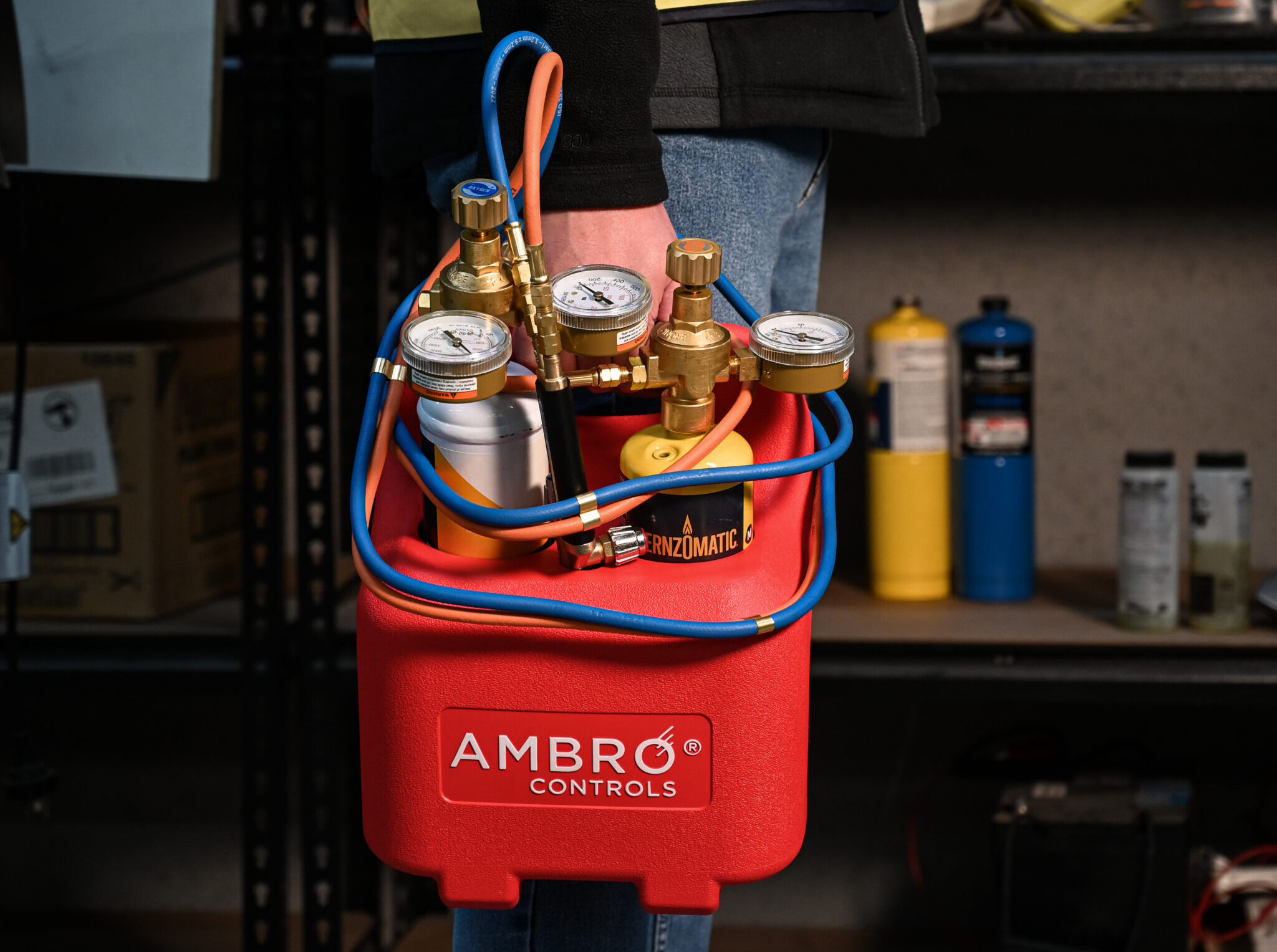
How these components work together
- Cylinders store gas at high pressure
- Regulators reduce that pressure to usable levels
- Hoses carry the gas to the torch
- The torch mixes the gases and produces the flame
Understanding how these parts interact helps technicians identify issues and maintain better control over the system.
Step-by-step torch setup process (high-level)
While exact procedures can vary depending on the equipment, most oxy-acetylene systems follow a similar setup sequence.
A typical high-level process includes:
- Securing cylinders in a stable, upright position
- Attaching regulators to both the oxygen and acetylene cylinders
- Connecting hoses to the regulators and torch handle
- Checking that torch valves are closed before opening cylinders
- Slowly opening cylinder valves
- Adjusting regulator pressures to appropriate working levels
- Purging hoses if required
- Lighting the torch and adjusting the flame
Important note
This is a general overview rather than a detailed procedural checklist. Technicians should always follow manufacturer instructions and workplace safety procedures when setting up equipment.
Understanding oxy-acetylene torch settings
Once the system is set up, torch settings determine how the flame behaves.
These settings control the ratio of oxygen to acetylene, which affects the characteristics of the flame.
The three main flame types are:
- Neutral flame
A balanced mix of oxygen and acetylene, commonly used for brazing and general heating
- Carburizing flame
A fuel-rich flame, which can introduce excess carbon into the workpiece
- Oxidizing flame
An oxygen-rich flame, which can lead to oxidation and material damage
What this means in practice
For most HVAC and plumbing work, a stable neutral flame is the preferred setting. It provides controlled heat without introducing unwanted chemical effects to the joint.
The role of fuel regulators
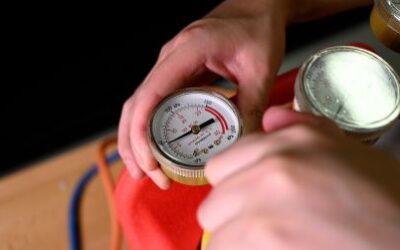
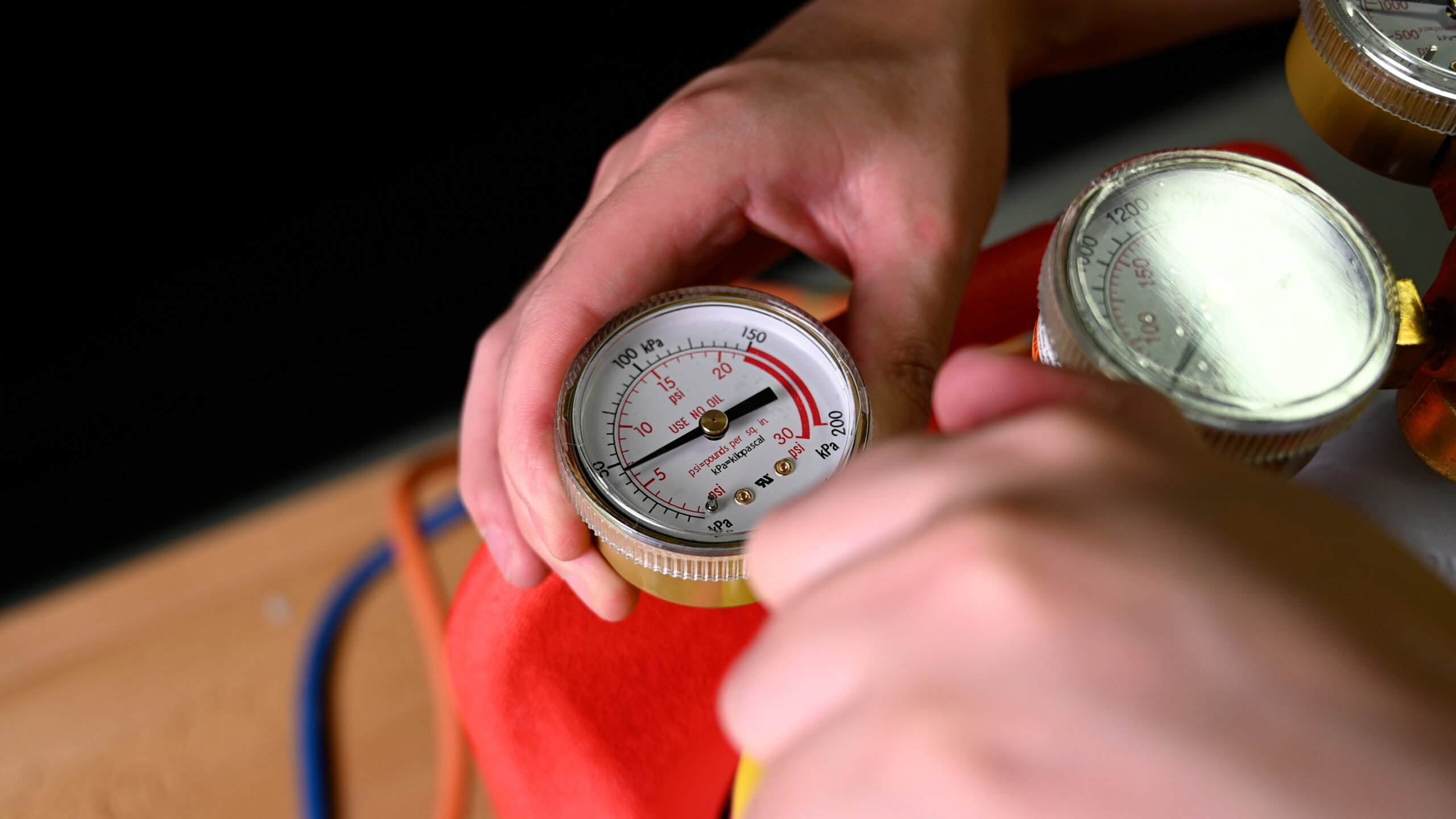
Regulators are a critical part of the system because they control how gas is delivered from the cylinders.
Both oxygen and acetylene are stored at high pressure, and regulators reduce this pressure to a level that can be used safely and effectively at the torch.
Why this matters
- Regulators help maintain consistent gas flow
- They allow technicians to adjust working pressure
- They support stable flame performance
Incorrect regulator settings can lead to:
- fluctuating flame behavior
- inefficient heating
- difficulty maintaining control at the joint
Having properly adjusted regulators makes it easier to achieve predictable results during brazing or heating.
Basic safety checks before lighting the torch
Before lighting the torch, a few quick checks can help reduce risk and ensure everything is functioning correctly.
These include:
- Inspecting hoses for visible damage or wear
- Confirming regulator connections are secure
- Ensuring torch valves are closed before opening cylinders
- Checking for potential gas leaks
- Verifying that the work area is well ventilated
Why these checks matter
Oxy-acetylene systems involve flammable gases, and even small issues can lead to unsafe conditions if they’re not identified early.
Taking a moment to check the system before use helps prevent problems during operation.
Acetylene safety and handline considerations
Acetylene requires particular care compared to other fuel gases.
It is:
- highly flammable
- sensitive to pressure and handling conditions
Because of this, safe handling practices are essential when working with oxy-acetylene systems.
Key considerations
- Open cylinder valves carefully and in a controlled manner
- Avoid rapid pressure changes
- Ensure cylinders are handled and stored correctly
- Follow all manufacturer and workplace safety guidelines
What this means in practice
Understanding the characteristics of acetylene helps technicians operate equipment more safely and reduces the risk of incidents on site.
Where flame control matters
A stable flame depends on both correct setup and how the torch is controlled during use.
Even with a properly configured system, technicians still need to:
- adjust flame size as needed
- control heat placement
- maintain consistent output
In many cases, work is carried out in:
- confined spaces
- behind equipment
- near sensitive components
In these situations, reliable flame control becomes even more important.
Technicians often rely on equipment that allows consistent gas delivery and precise flame adjustment, helping them apply heat exactly where it’s needed.
Key takeaway
Setting up an oxy-acetylene torch kit correctly is essential for both safety and performance.
- A consistent setup process helps ensure stable flame behavior
- Regulators and torch settings control how gas is delivered and used
- Basic safety checks reduce the risk of leaks or unsafe operation
- Understanding acetylene handling improves overall safety
Taking the time to set up the system properly allows technicians to work more efficiently and with greater confidence on site.