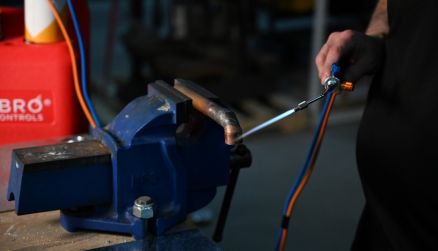
In HVAC and refrigeration work, brazing is a core skill, but getting consistent results is more than just technique; it’s also how well you can control heat at the joint.
Whether you’re working on copper pipework, repairing a leak, or brazing near sensitive components, the way your torch delivers heat can make the difference between a clean, reliable joint and one that needs a rework.
This is where fine torch control is important.
What is a brazing torch?
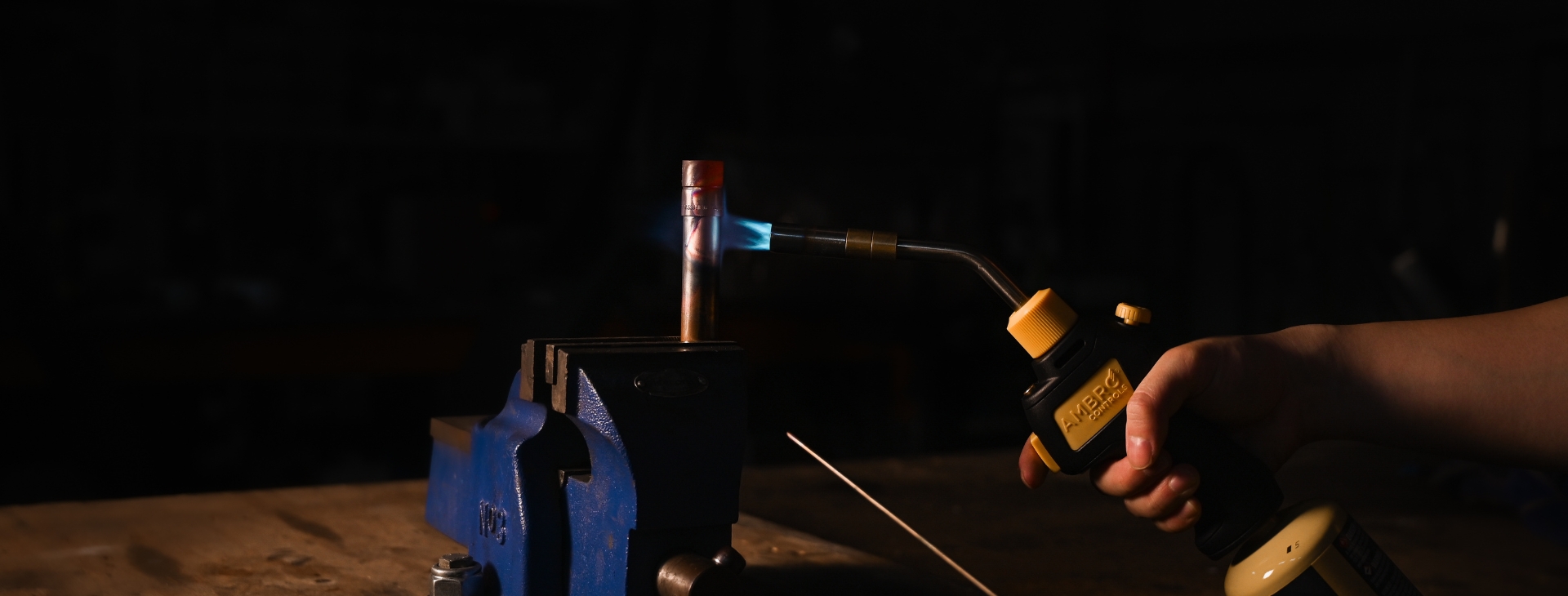
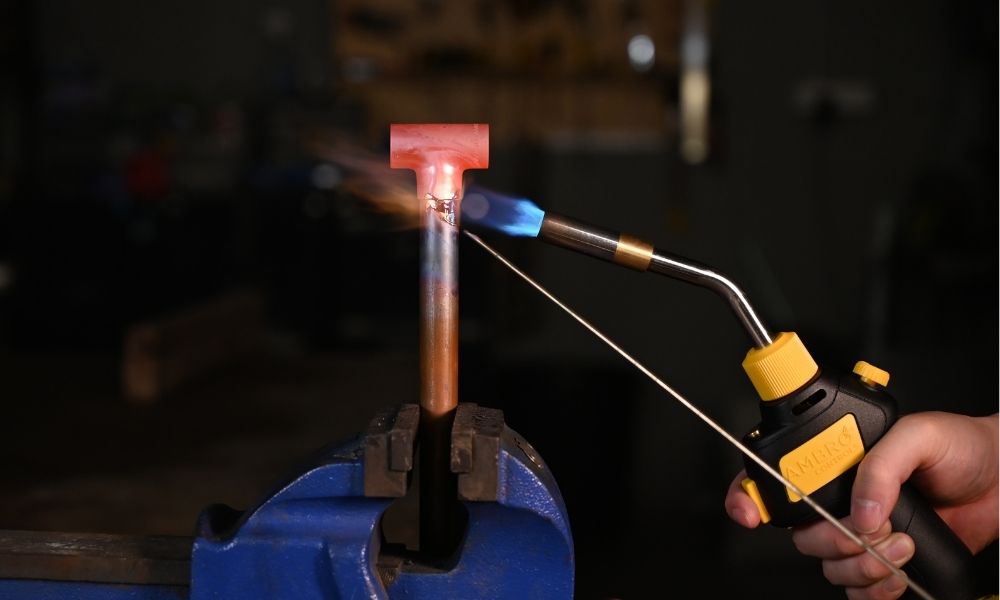
A brazing torch is used to heat base metals so that a filler rod melts and flows into the joint, creating a strong connection as it cools.
Unlike welding, the base metal itself does not melt. Instead:
- the base materials are heated
- the filler metal melts
- the filler flows into the joint through capillary action
Torch control plays a key role in how effectively this process works, as it determines how heat is applied to the joint.
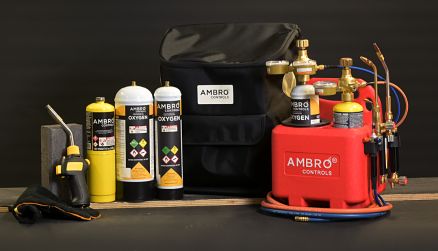
Common brazing torch setups include:
- oxy-acetylene systems
- oxygen with MAP-Pro fuel gas
- portable brazing systems designed for on-site work
Each setup can deliver the heat required for brazing, but the level of control available to the technician can vary significantly.
Brazing vs soldering: why heat control is different
Brazing and soldering are often grouped together, but they operate at very different temperature ranges.
Soldering
- Typically below ~842°F (~450°C)
- Common in plumbing and electronics
- Heat control is important, but less intense
Brazing
- Typically above ~842°F (~450°C), often in the range of ~1112–1652°F (~600–900°C)
- Common in HVAC/R pipework
- Requires more precise heat management
What this means in practice
Because brazing operates at higher temperatures, the margin for error is smaller. Too much heat or poorly directed heat can affect the joint, surrounding components, or both.
This is why torch control becomes far more critical in brazing than in soldering.
Why precision matters when brazing
When brazing, technicians are managing more than just temperature; they’re managing how heat is delivered to the joint.
Several factors influence this:
Heat concentration
Applying too much heat in one area can damage components or lead to oxidation, while too little heat can prevent the filler from flowing properly.
Capillary flow
For the filler metal to flow correctly, the joint needs to be brought to the right temperature evenly. Uneven heating can result in weak or incomplete joints.
Component protection
Nearby components such as valves, TXVs, seals, and insulation can be affected by excess heat. In many cases, technicians are working in close proximity to these parts.
What this means on site
Effective brazing is about applying controlled, targeted heat, not just maximum heat. This is especially important in real-world environments where access and space are limited.
What makes a torch “fine control”?
When technicians talk about a torch offering “fine control,” they mean how precisely they can manage the flame and heat output.
Key characteristics include:
- Adjustable flame size
Allows the technician to match the flame to the task
- Stable flame output
Helps maintain consistent heat during the brazing process
- Targeted heat delivery
Enables heat to be applied exactly where it’s needed
- Consistent fuel flow
Supports predictable performance and control
- Maneuverability
Smaller torch heads and flexible hose setups make it easier to position the flame in tight or awkward spaces
Practical takeaway
A torch with fine control allows technicians to apply heat where it’s needed, without overheating surrounding materials or components.
Field situations where precision torch control helps
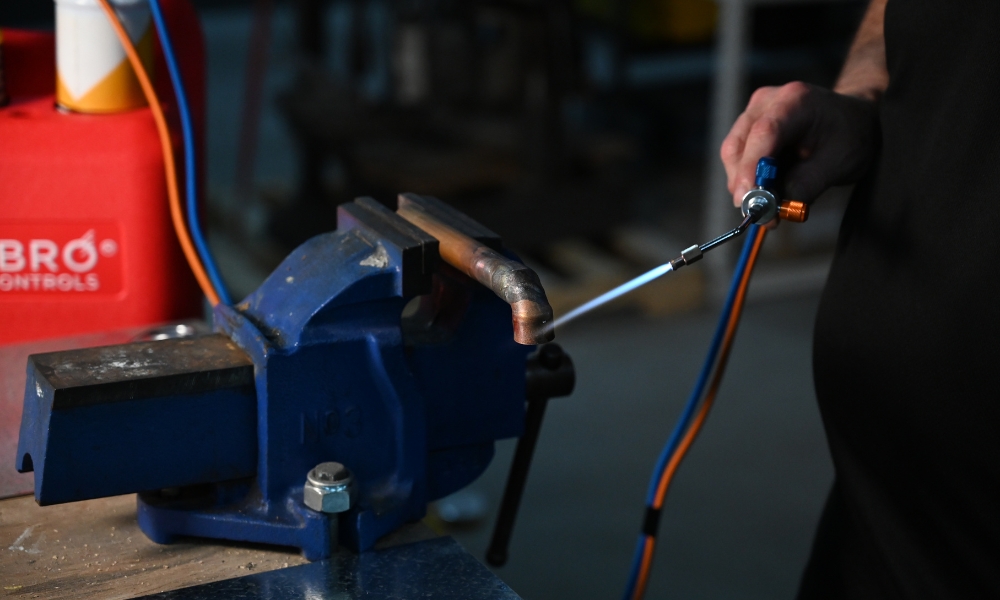
In HVAC work, brazing doesn’t necessarily happen in ideal conditions. Precision control becomes especially important in situations like:
- Brazing thin copper tubing
Where excessive heat can quickly damage the material
- Working near valves or sensitive components
Where heat needs to be carefully managed to avoid damage
- Tight mechanical rooms or confined spaces
Where positioning the torch is more difficult
- Behind units or in restricted access areas
Where there is limited room to work and limited margin for error
- Joining dissimilar metals
Where different materials respond to heat differently
In these situations, the ability to control flame size and heat placement makes a noticeable difference to both efficiency and outcome.
Common brazing mistakes caused by poor heat control
Many brazing issues can be because of how heat is applied.
Some common problems include:
- Overheating the joint
Leading to oxidation or damage to the base material
- Oxidation inside tubing
Which can affect system performance if not controlled
- Filler metal not flowing properly
Often due to uneven or insufficient heating
- Damage to nearby components
Caused by excess or poorly directed heat
These issues are often avoidable with better control over how heat is delivered.
Where torch selection makes a difference
While technique is a major factor, the torch itself also plays a role in how effectively heat can be managed.
Technicians often choose a torch that allows:
- precise flame adjustment
- consistent and stable output
- controlled heat delivery
A torch that offers fine control makes it easier to maintain the correct temperature range needed for reliable brazed joints, particularly in more challenging environments.
Key takeaway
Brazing operates at higher temperatures than soldering, which makes heat control integral to achieving consistent results.
- Higher temperatures mean less margin for error
- Heat must be applied evenly and precisely
- Poor heat control can lead to oxidation, weak joints, or component damage
A torch that offers precise flame control helps technicians:
- manage heat more effectively
- protect surrounding components
- produce clean, reliable brazed joints