Copper brazing is a foundational skill in HVAC/R installation and repair but minor technical errors can lead to microscopic joint failures that only surface once a system is fully pressurized. Preventing these issues requires moving past guesswork and mastering the core fundamentals of heat control, material preparation and gas management.
Key Takeaways: How to Prevent Brazing Leaks
Purge with Nitrogen: Always maintain a low-pressure nitrogen purge (2-5 PSI) while brazing to completely eliminate internal copper oxidation and scale buildup.
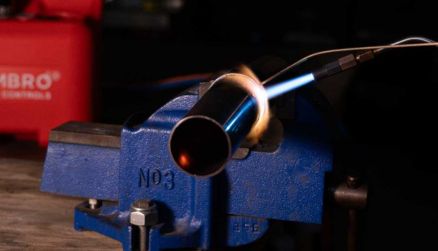
Control the Heat: Use an oxy-acetylene torch adjusted to a neutral flame. Heat the copper tubing and fitting cup evenly to let capillary action draw the alloy, rather than melting the brazing rod with a direct flame.
Prioritize Cleanliness: Mechanically clean the copper down to bright metal using an emery cloth or abrasive pad to remove surface contaminants before assembly.
Brazing quality affects the whole system
When brazing quality is low, the effects spread far beyond a single joint. Copper brazing is used throughout refrigeration and HVAC/R systems because it creates strong, durable joints capable of handling pressure and temperature changes over time.
Leaks and contamination can contribute to:
- reduced system efficiency
- pressure issues
- moisture contamination
- compressor damage
- ongoing maintenance problems
That’s why consistent brazing technique matters just as much as the equipment being installed.
What causes pinholes and leaks in copper brazing?
Most pinholes and joint failures are not caused by the filler metal itself. They usually come back to:
- poor heat control
- contamination
- incorrect preparation
- oxidation inside the line
- uneven filler flow
Small issues during brazing can create tiny voids or weak spots that may not become obvious until the system is operating under pressure.
Common causes technicians run into
Some of the more common causes of pinholes and leaks include:
- overheating the joint
- applying heat unevenly
- contamination on the pipe or fitting
- poor fit-up between components
- incorrect filler rod selection
- oxidation inside the copper line
- excessive nitrogen pressure or back pressure during purging
Heat control during brazing
Consistent heat control plays a major role in joint quality.
Copper should be heated evenly so the filler metal flows naturally through the joint via capillary action.
When heat is concentrated too heavily in one area, technicians can run into problems such as:
- poor filler distribution
- burnt flux
- overheated copper
- weak or porous joints
Applying excessive heat directly to the filler rod rather than allowing the joint itself to draw the filler can also affect joint quality.
PRO TIP
A well-defined neutral flame usually gives technicians better control during copper brazing. If the flame is too aggressive or unstable, it becomes much harder to maintain even heat across the joint.
Joint preparation before brazing
Preparation has a major impact on how well a brazed joint performs.
Even good flame control can struggle to compensate for:
- dirty copper
- poor pipe fit-up
- oxidation
- contamination on the joint surface
Before brazing begins, technicians typically focus on:
- clean mating surfaces
- proper pipe insertion depth
- removing oils or debris
- ensuring the fitting and pipe are correctly aligned
Good preparation helps support smoother filler flow and more consistent capillary action.
Using nitrogen while brazing copper lines
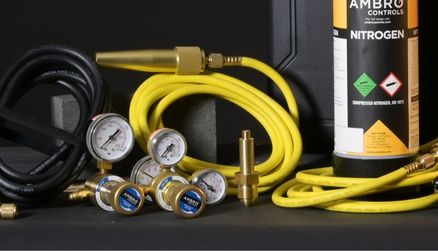
Nitrogen purging is considered standard practice across many HVAC/R applications. Introducing nitrogen during brazing helps reduce oxidation inside the copper line, which helps keep the system cleaner internally.
Without nitrogen, oxidation can create scale and contamination within the piping that may later circulate through the system.
How this affects refrigeration systems
Internal contamination can contribute to blocked strainers, valve issues, reduced system performance and compressor reliability problems over time.
Using controlled nitrogen flow during brazing helps minimize these risks.
Common brazing mistakes technicians try to avoid
Most brazing issues are not caused by a single major mistake. More often, they come from small problems building up during the process.
Applying heat directly to the filler rod
The joint itself should draw the filler metal through capillary action. Heating the filler rod directly can affect filler flow and reduce joint quality.
Rushing the process
Uneven heating or rushing brazing work can lead to:
- incomplete filler penetration
- cold spots
- weak joints
- leaks under pressure
Allowing the joint temperature to build evenly generally produces more reliable results.
Skipping nitrogen purging
Brazing without nitrogen increases the likelihood of oxidation inside the copper line. That contamination may not be visible immediately, but it can create problems later within the refrigeration system.
Using the wrong filler rod
Different materials and applications may require different filler metals. Using the correct brazing rod for the material being joined helps support proper flow, joint strength and long-term reliability.
Flame control and equipment consistency
Stable flame control makes it easier to maintain even heating across copper joints.
Technicians working regularly with copper lines often rely on equipment that provides:
- predictable gas delivery
- steady flame adjustment
- reliable regulator performance
- controlled heat application
This becomes especially important on larger fittings, tighter spaces, or systems where overheating nearby components can create additional risk.
Things to remember
Preventing pinholes and leaks in copper brazing usually comes back to a few core fundamentals:
- controlled heat
- clean joints
- proper preparation
- suitable filler metal
- stable nitrogen flow
Small improvements in brazing technique can make a significant difference to long-term joint reliability and help reduce unnecessary on-site rework.