When it comes to brazing copper lines, heating fittings, or working on pipework, the type of torch you use makes a real difference to the quality of the job and how easy it is to get it done.
Two of the most common options are oxy-acetylene and oxy-propane torch setups. Both use oxygen combined with a fuel gas to create a high-temperature flame, but they behave a little differently and suit different types of work.
This guide explains the practical differences between the two and helps you decide which torch setup is the better fit for HVAC and plumbing applications.
What is an oxy-acetylene torch?
An oxy-acetylene torch uses a mix of oxygen and acetylene gas to produce a very hot, concentrated flame. This high flame temperature makes it well suited to tasks that need a lot of heat in a small area.
In HVAC and plumbing work, oxy-acetylene torches are commonly used for:
- Brazing copper pipe joints
- Heating stubborn or seized fittings
- Jobs where fast heat input is helpful
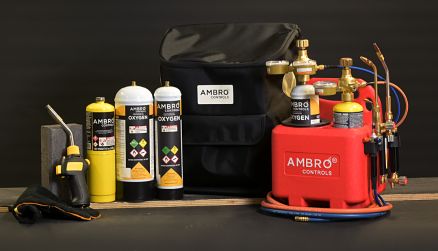
An oxy-acetylene torch kit typically includes the torch handle, hoses, regulators for each gas, and a set of interchangeable torch tips for different flame sizes and tasks.
What is an oxy-propane torch?
An oxy-propane torch combines oxygen with propane as the fuel gas. The flame temperature is slightly lower than oxy-acetylene, but it still provides more than enough heat for most HVAC and plumbing jobs.
Oxy-propane is commonly used for:
- Brazing copper lines
- Heating pipework and fittings
- General service and maintenance work
Because propane is widely available and familiar, many technicians find oxy-propane setups easy to manage and practical for everyday use.
Is oxy-propane hotter than oxy-acetylene?
No. In simple terms, oxy-acetylene produces a hotter flame than oxy-propane.
However, higher temperatures do not automatically mean “better” for every job.
For HVAC and plumbing work, what matters just as much as flame temperature is:
- How evenly the heat is distributed
- How easy the flame is to control
- Whether the heat input suits the size and material of the pipe or fitting
Oxy-propane produces a slightly broader, softer flame that many technicians find easier to control when brazing copper pipe, especially on thinner wall tubing or in tighter spaces.
Which is better, oxy acetylene or oxy propane?
Neither is “better” in all situations as it depends on what you do most often.
Oxy-acetylene is a good choice if you:
- Regularly need very high heat in a small area
- Want the fastest possible heat-up time
- Already use acetylene as part of your normal workflow
Oxy-propane is a good choice if you:
- Mainly do HVAC and plumbing brazing and heating work
- Want a setup that is simple, flexible, and easy to use day-to-day
- Prefer a fuel that is widely available and familiar
For most HVAC and plumbing technicians, oxy-propane provides more than enough heat while offering good control and practicality.
Common HVAC and plumbing tasks each torch is suited for
In HVAC and plumbing work, torches are mainly used for a few core tasks:
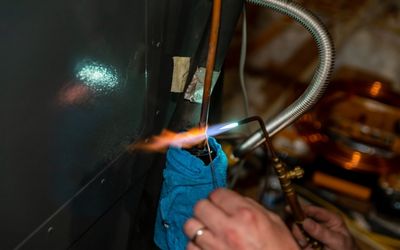
- Brazing copper refrigeration lines and pipe joints
- Heating fittings, valves, and connections to loosen or seat them
- Light heating for shaping or adjusting metal components
For these types of jobs, both oxy-acetylene and oxy-propane systems are capable, but the way they deliver heat feels different in practice.
Oxy-acetylene provides very fast, concentrated heat, which can be useful when working on thicker materials or when you need rapid heat-up. Oxy-propane provides a slightly softer flame that spreads heat more evenly, which many technicians prefer for brazing copper lines and working close to sensitive components.
The “best” option is the one that gives you enough heat without making the work harder to control.
Is oxy-propane cheaper than acetylene?
In general terms, propane is often easier to source and can be more cost-effective over time, especially for technicians who use their torch frequently.
That said, actual costs vary depending on:
- Your supplier
- Cylinder rental or ownership
- Local availability
- How much gas you use
Rather than focusing only on fuel cost, it’s usually better to consider the total setup, including regulators, hoses, tips, and how well the system fits into your workflow.
What torch setup is best for HVAC and plumbing work?
For HVAC and plumbing applications, the ideal torch setup is one that offers:
- Good flame control for brazing copper joints
- Interchangeable tips for different pipe sizes and tasks
- Reliable regulators and hoses matched to the fuel gas
- A size and weight that suits on-site work
A compact, well-balanced torch with precise adjustment makes it easier to get clean, consistent joints, especially when working overhead, in ceiling spaces, or in tight plant rooms.
This is why many HVAC and plumbing professionals choose oxy-propane torches with precision tips and stable regulators for everyday work, reserving oxy-acetylene setups for jobs that truly need the extra heat.
A well-matched setup usually includes:
- A torch handle that is comfortable to hold for longer jobs
- A range of tips to suit different pipe diameters
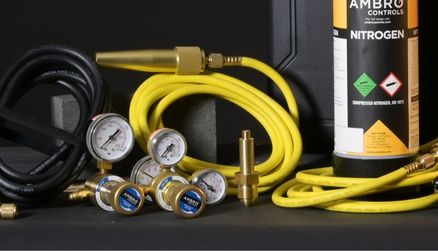
- Quality hoses and regulators that deliver stable gas flow
- Simple, clear controls for setting gas pressure and fine-tuning the flame
Safety and equipment considerations
Regardless of whether you use oxy-acetylene or oxy-propane, safe operation depends on:
- Using regulators designed for the specific gas
- Ensuring hoses and fittings are compatible and in good condition
- Checking connections for leaks before use
- Following the torch and gas manufacturer’s instructions
Always work in a well-ventilated area and follow your workplace safety procedures when handling gas equipment.
It’s also important to use the correct torch tips for the size of the pipe or fitting you’re working on, as oversized tips can overheat joints and undersized tips can lead to slow, uneven heating.
Quick FAQs
Is oxy-propane suitable for brazing copper pipe?
Yes. Oxy-propane is widely used for brazing copper lines in HVAC and plumbing work and provides sufficient heat for clean, reliable joints when used with the correct technique and equipment.
Do I need different regulators for acetylene and propane?
Yes. Regulators are gas-specific and should always match the type of fuel gas being used.
Does flame temperature alone determine brazing quality?
No. Flame control, heat distribution, and technique are just as important as maximum flame temperature.
Summary: choosing the right torch
For HVAC and plumbing work:
- Oxy-acetylene offers higher flame temperature and fast heating.
- Oxy-propane offers excellent control, practicality, and sufficient heat for most brazing and heating tasks.
- The “right” choice depends on the type of work you do most often and what fits best into your workflow.
For a more technical comparison, including flame temperature ranges across different brazing torch systems, see our guide to choosing a brazing torch system.
If your work mainly involves brazing copper pipe, heating fittings, and general HVAC and plumbing tasks, an oxy-propane torch is often a practical, flexible, and easy-to-use option. For specialised tasks that need maximum heat, an oxy-acetylene setup may still have a place.
Choosing the right torch is less about picking the most powerful option, and more about selecting the tool that helps you work safely, efficiently, and with confidence on site.